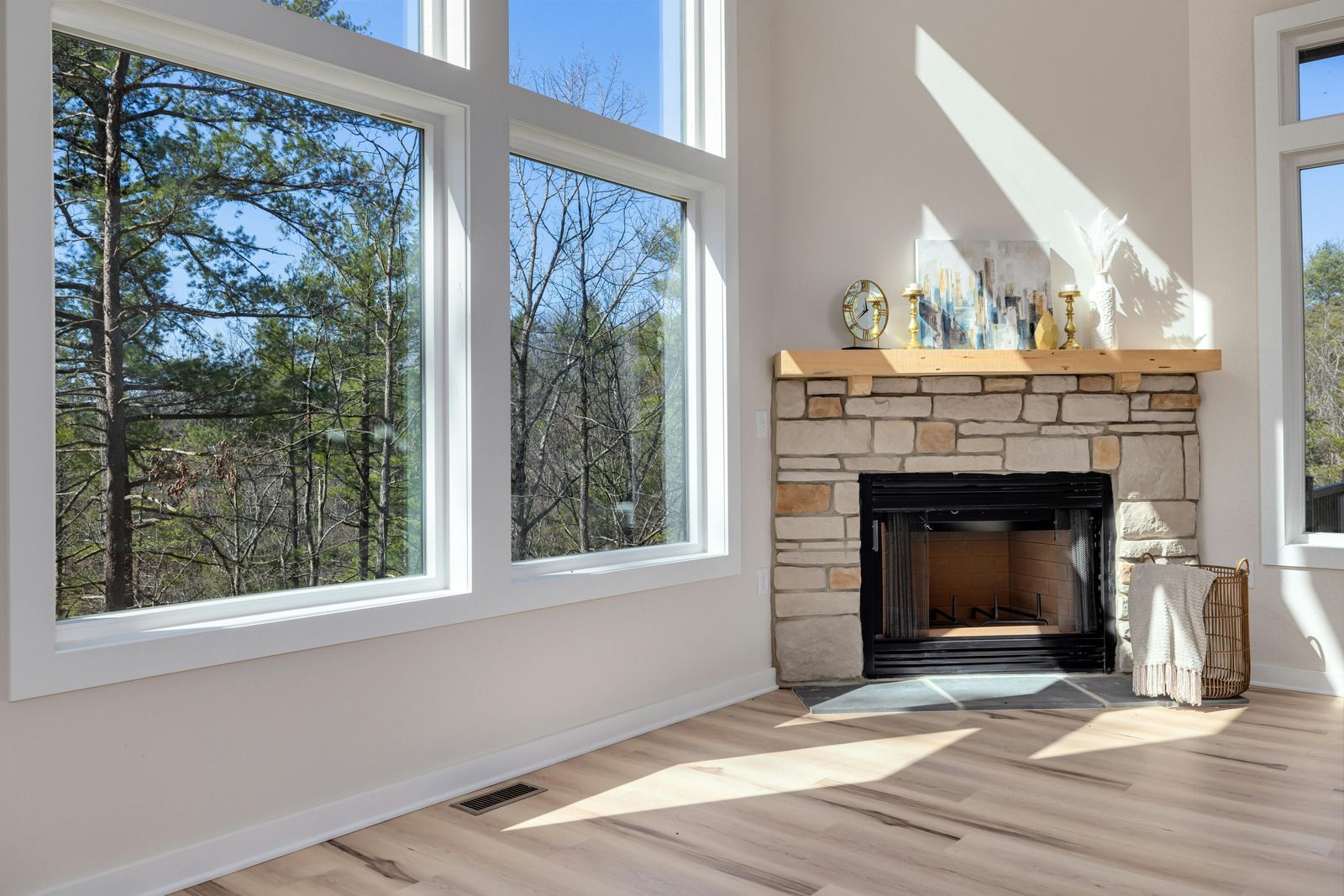
Foggy, Drafty, or Stuck: How to Tell If a Window Needs Repair or Replacement
September 30, 2026
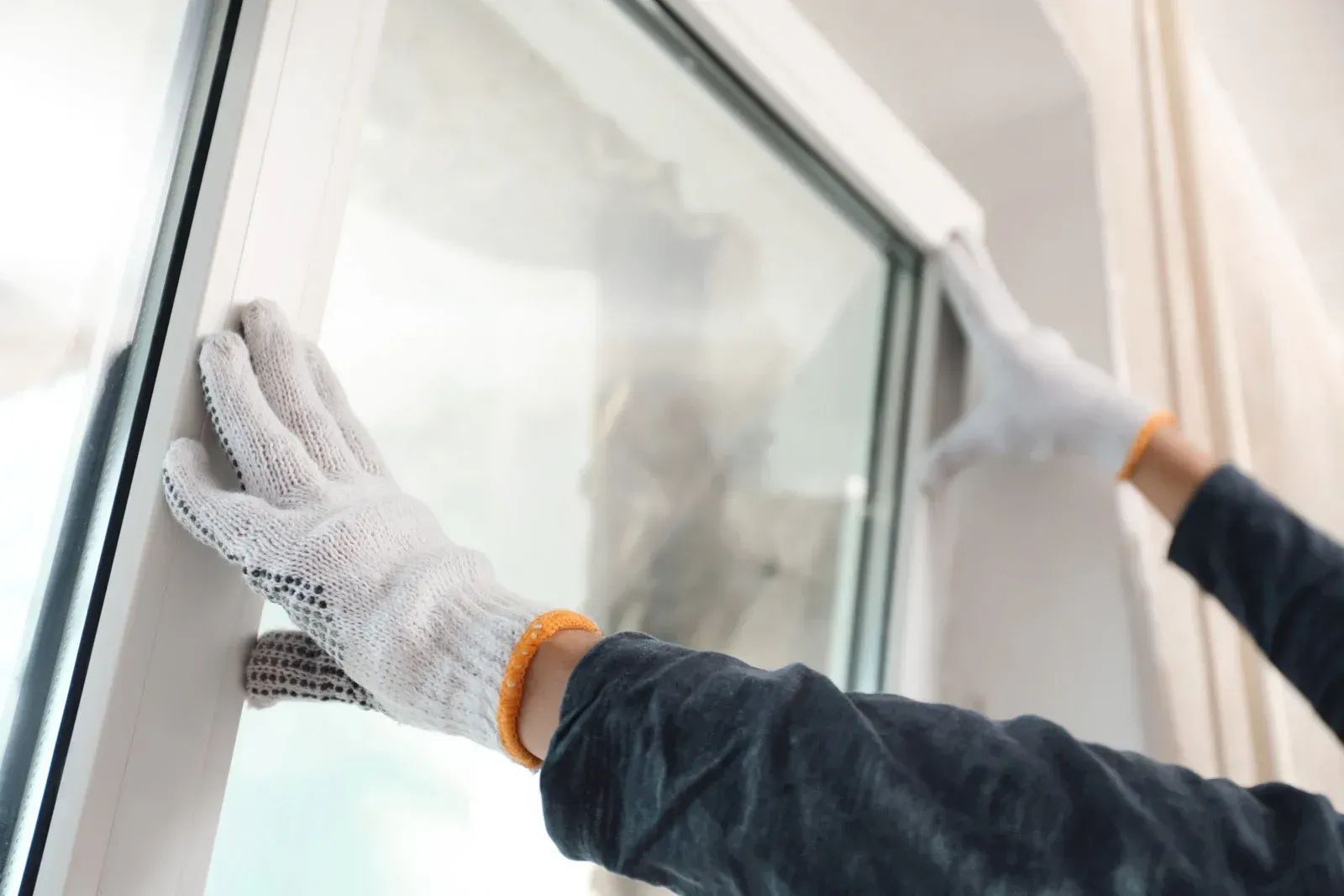
QUICK ANSWER: A window usually needs repair, not replacement, when the problem is isolated to hardware, weatherstripping, or a single cracked pane. Replacement becomes the smarter call when the insulated glass seal has failed, the frame has soft or rotting spots, or more than one window in the house shows the same symptoms at once. Age matters too. Most residential windows are built to perform well for fifteen to twenty years or more, and once a unit passes that mark, repeated small repairs often signal a bigger, systemic failure underneath. A short visual and functional check, covered below, will tell you which category your window falls into.
You press a hand against the glass on a January morning and feel cold radiating off it like an open door. Or you notice a milky haze sitting between the panes that no amount of window cleaner will touch. Neither problem announces itself as an emergency, and that's exactly what makes the repair-or-replace decision so easy to put off.
Windows fail slowly, one symptom at a time, until a homeowner is staring at three or four units that all seem to need attention at once. Knowing which signs point to a quick fix and which point to a bigger project saves time, protects the rest of the house from moisture and air infiltration, and keeps a small annoyance from turning into a structural one.
We walk through this same assessment on service calls across the Denver metro, from older bungalows in Arvada and Wheat Ridge to newer builds in Parker and Castle Rock. The patterns repeat. Below is the same checklist we walk through on those calls, the one that sorts a repairable window from one that's finished.
Start With What's Actually Broken
Not every window problem lives in the same part of the unit, and that matters more than most homeowners realize. A window has three systems that can fail independently: the glass and its seal, the frame and sash, and the hardware that lets it open, close, and lock.
Glass And Seal Issues
A single cracked pane, a scratch, or early-stage fogging in one corner is usually a glass problem. It can often be addressed without touching the frame.
Frame And Sash Issues
Wood that flexes under light pressure, paint that bubbles from trapped moisture, or a frame that's visibly out of square points to a structural problem, not a cosmetic one.
Hardware Issues
Locks that won't catch, cranks that spin without moving the sash, or balances that let a window slam shut are mechanical failures. They're often the cheapest and fastest thing to fix, and they rarely mean the window itself is failing.
Sorting a problem into one of these three buckets is the first step. It tells you if you're facing a fifteen-minute fix or something that touches the whole unit.
Signs You Can Usually Repair
Some symptoms look alarming but rarely justify pulling the entire window. If you're seeing only one of these, and only on one or two windows, repair is typically the right first move.
A Draft With No Visible Damage
Worn weatherstripping or interior gaps can often be sealed without replacing glass or the window.
A Window That Sticks Or Won't Stay Open
Painted-shut sashes, worn balances, or track debris are mechanical issues usually fixable without replacement.
Minor Condensation On The Room-Facing Side Of The Glass
Interior condensation typically indicates excessive humidity or poor ventilation, rather than window failure or damage.
One Cracked Or Chipped Pane In An Otherwise Sound Frame
A single damaged pane can often be replaced separately when the surrounding frame remains square and sound.
TIP: Before assuming a whole window needs replacing, run a dollar bill test on the weatherstripping. Close the sash on a strip of paper and try to pull it out. If it slides free with almost no resistance, the seal has compressed past the point of doing its job, and new weatherstripping alone may solve most of the draft.
Signs That Point to Replacement
Other symptoms are harder to fix in isolation because they involve the parts of the window that can't be repaired without rebuilding the whole assembly.
Fogging Or Haze Trapped Between The Panes
Fogging between panes indicates a failed insulated glass seal, allowing moisture into the airspace. The lost gas fill and coating performance reduce insulation, requiring replacement of the sealed unit.
Soft, Spongy, Or Visibly Rotting Frame Material
Press a screwdriver gently into wood framing. If it sinks easily, moisture has damaged the wood fiber. Painting or patching will not address the underlying structural deterioration or decay.
Persistent Water Intrusion Around The Opening
Interior staining, peeling paint below the sill, or recurring leaks after rain can indicate a failed perimeter seal between the window and wall, requiring investigation beyond the window itself.
Multiple Windows Failing Around The Same Time
When several windows develop drafts, fogging, or sticking within a short period, they may share installation dates, materials, and age. Their similar failures can indicate additional units are nearing replacement.
Windows Original To A Home Built Before The Mid-2000s
Older single-pane and early double-pane windows generally have outdated seals, hardware, and insulating performance. At that age, replacing individual components often makes less practical sense than full window replacement.
What Colorado's Front Range Does to a Window
Climate accelerates every one of these failures. The Front Range puts windows through a punishing cycle: intense high-altitude sun that bakes seals and finishes on the south and west sides of a house, then a hard freeze that same night once the sun drops. That swing stresses the sealant and spacer system inside an insulated glass unit every single day it repeats.
Hail is its own category of damage. A single storm can crack or pit exterior glass across an entire elevation of a house at once, which is why homeowners in Longmont, Greeley, and Broomfield often find several windows need attention after the same event rather than one at a time.
Homes in Boulder, Lafayette, and the foothills communities also deal with wide daily temperature swings that keep frame materials expanding and contracting more than they would in a milder climate. Vinyl and wood frames both move with temperature, and repeated movement is what eventually works a weatherstrip loose or opens a hairline gap at a corner joint.
What a Professional Assessment Actually Checks
A proper window evaluation goes beyond a glance at the glass. We check the frame for square, test the sash for smooth operation across its full range, inspect the interior and exterior seals, and look at the condition of the material immediately surrounding the opening, since a window is only as good as the wall it's set into.
We also look at how the current window compares to what's available now. Energy performance in windows has changed enough over the past two decades that even a perfectly functional older unit may be working far harder than it needs to, especially on a home with south or west-facing glass that catches Colorado's sun most of the day.
For older homes, we pay particular attention to matching proportions and sightlines so a replacement doesn't change the character of the house. That's a common concern in the established neighborhoods around Denver, Englewood, and Littleton, where original window shapes are part of what gives a home its look.
WARNING: A window with a cracked or failing pane should not be left in place indefinitely, particularly at ground level or near a walking surface. According to guidance published in industry trade research on insulating glass failure, a compromised seal can progress to full pane separation over time, and broken or shifting glass near an entry or high-traffic area is a genuine safety hazard, not just a performance issue. Treat any crack that's growing or any pane that feels loose in its frame as something to have looked at promptly.
Repair Now, Replace Later: Is That Actually an Option
Sometimes the honest answer is that a window can be repaired today and replaced down the line, on your own schedule rather than as an emergency. This makes sense when the symptom is isolated, the frame is sound, and the rest of the window's expected service life is still ahead of it.
It stops making sense once repairs start repeating. If the same sash has needed hardware work twice in three years, or a weatherstrip replacement didn't fully solve last winter's draft, that's usually the window telling you the underlying materials are wearing out faster than a patch job can keep up with. At that point, continuing to repair the same unit tends to just delay a decision that's already been made by the window itself.
Frame material plays a role here too. Vinyl and fiberglass frames tend to hold their seals and dimensional stability longer under Colorado's temperature swings than older wood or aluminum frames without thermal breaks, which is worth knowing if you're deciding whether a repair now is buying you real time or just a few more months.
Windows in Multi-Family and Commercial Settings
Property managers and building owners face a version of the same decision, just at a larger scale. A storefront or multi-family building with a dozen units built at the same time will usually show the same failure pattern across most of them within a similar window of years, which changes the calculation from one window to the whole elevation.
For commercial glazing, code-driven considerations like impact resistance, egress, and accessible hardware often factor into whether a repair meets current expectations or whether replacement is the only option that brings the opening fully up to today's standards. That's a conversation worth having early, before a single failed unit becomes the reason a larger project gets rushed.
Frequently Asked Questions
How long should a window last before repairs stop making sense?
Most residential windows are built to perform well for fifteen to twenty years, and some quality units last considerably longer with routine maintenance. Once a window passes that range and starts needing repeat service, replacement usually delivers better long-term value than continued patching.
Is foggy glass between the panes ever fixable without replacing the window?
No. Fogging between the panes means the insulated glass seal has failed and moisture is trapped inside a sealed space that can't be dried out or resealed. The sealed glass unit itself has to be replaced, though in some cases only the glass unit needs swapping rather than the full frame.
Can I repair just one window in a set instead of the whole house?
Yes, and it's often the right approach when only one unit shows a problem. Replacing windows in phases, room by room or as issues appear, is a normal way to manage a larger home without tackling every opening at once.
Does a drafty window always mean the seal has failed?
Not always. Many drafts come from worn weatherstripping or a settling gap around the trim, both of which are repairable without touching the sealed glass unit. A seal failure shows up as fog or haze trapped between the panes, which is a different and non-repairable symptom.
Do older homes need special consideration during a window evaluation?
Yes. Original window proportions, trim details, and sightlines are often part of what gives an older home its character, so an evaluation for a historic or established property should account for matching those details, not just swapping in a standard-sized replacement.
What is the biggest risk of waiting too long on a failing window?
Beyond lost energy performance, a failing seal or frame allows moisture to reach the wall structure around the window, which can lead to rot or damage well beyond the glass itself. Addressing frame and seal problems early keeps the repair contained to the window rather than the surrounding wall.
Knowing Which Windows Need Attention Saves Money
Most homes end up needing a mix of solutions rather than one blanket fix. A couple of windows might only need fresh weatherstripping and a thorough cleaning. Others may call for a single glass unit swap, while a handful of the oldest units are simply ready to come out. Reading each symptom correctly, rather than treating every window the same way, keeps a manageable project from growing into something far bigger than it needed to be.
Tru Quality Glass
has spent more than 20
years working on homes across Arvada and the greater Denver metro, and that time has shown one pattern again and again: windows rarely fail all at once, and neither should the decision to fix them. A repair done well now often buys years of good service, while a
replacement
done at the right moment protects everything around it, from the wall to the room behind it. Each opening gets exactly the attention it needs, no more and no less.